
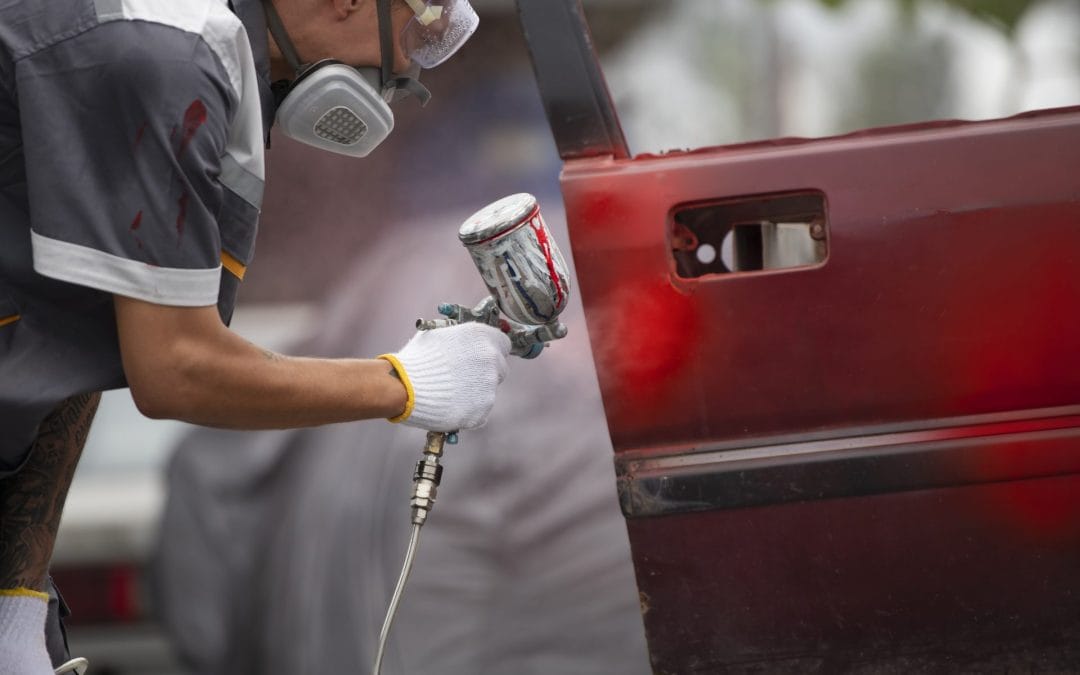
As cars age, their OEM paint jobs tend to wear down. Additionally, if a car was in a minor accident and sustained damaged metal or plastic surfaces, before seeking help from professionals in car paint repair in Reading, one must ensure that the damaged surfaces are repaired first.
Why Repairing The Surface Is Important Before Painting?
There are several benefits to repairing a car’s damaged surface before seeking services such as car paint repair in Reading, as outlined below.
All Hidden Rust Will Be Eliminated
For automotive metallic surfaces, rust is like cancer. Painting over rusted surfaces will not stop the corrosion from spreading onto important welds and compromising the roadworthiness of the car. On top of this, simply painting over rusted surfaces of a car will result in the new paint flaking off soon and revealing even a larger rust spot or, in the worst case, a see-through hole. Leave your rust-riddled car with the professionals. They would grind back to bare metal. On top of this, the rusted surfaces will be treated with phosphoric acid in a bid to neutralise oxidation, thus creating a sterile environment for the primer to stick to the affected surface.
Paint Will Adhere Better To The Surfaces
A damaged car surface is uneven. And paint does not adhere properly to uneven surfaces. A repaired surface ensures that the sanding and priming processes will be consistent, thus preventing issues such as thin or thick paint jobs. In simple terms, repairing a car’s damaged surfaces before painting creates a consistent texture across the entire vehicle. This, in turn, allows the clear coat to evenly cover the entire car. And leave the car flaunting that wet-look sheen car enthusiasts crave.
Future Paint Subsidence Is Prevented
Defects on the surface of a car that has been marked for a fresh coat of paint, if repainted without first fixing the damage, would result in a phenomenon known as paint subsidence. In simple words, subsurface defects on a car’s metal or plastic surfaces, when painted over, tend to “sink” with time. For example, if a scratch on the bonnet of your car was simply painted over without first fixing it, the new coat of paint will eventually settle into the groove of the scratch. Which, from a distance, will look like uneven sheen. An attribute that is nowhere near an OEM paint job, isn’t it? To avoid issues like this, repairing the damage before painting ensures the surface is both non-porous and stable, allowing an invisible, permanent repair.
Surface Preparation Guarantees OEM Paint Finish
Vehicles, regardless of age, make or model, can be restored to OEM condition with a bit of care, attention to detail, and, of course, love. However, when one decides to give their car a fresh coat of paint but without repairing the damage to its plastic and metal surfaces, they are essentially cutting corners. Which would lead to substandard outcomes that won’t last long. For the best results, take your car to the professionals like Scuff Fix. They will repair any issues with your car’s body and plastic trims. Then they would give your beloved four-wheeled companion an OEM-grade paint job that would last a long time. And at the same time, it lets you preserve your vehicle’s value for a long time.
Frequently Asked Questions
Do Touch-Up Pens Really Work?
Touch-up pens are best for minute scratches. Deep scratches can only be fixed with professional help.
How Long Does It Take To Repair Damaged Car Surfaces?
The time needed to repair a car’s body depends on the extent of the damage.
Why Newly Painted Surfaces Show Bubbling?
This happens when the surface of the car is not prepared properly before painting it.